The Role
From September 2019 to April 2020, I worked as Programme Coordinator at SB OverSeas — a Brussels-based NGO focused on supporting Syrian refugees. The organisation had a small, genuinely multinational team: colleagues from the US, Peru, Canada and Syria, across different departments.
My programme focused on the socio-cultural inclusion of unaccompanied minors and refugee women. The role ended as contracted, brought to a close earlier than planned by COVID-19.
Scope & Responsibilities
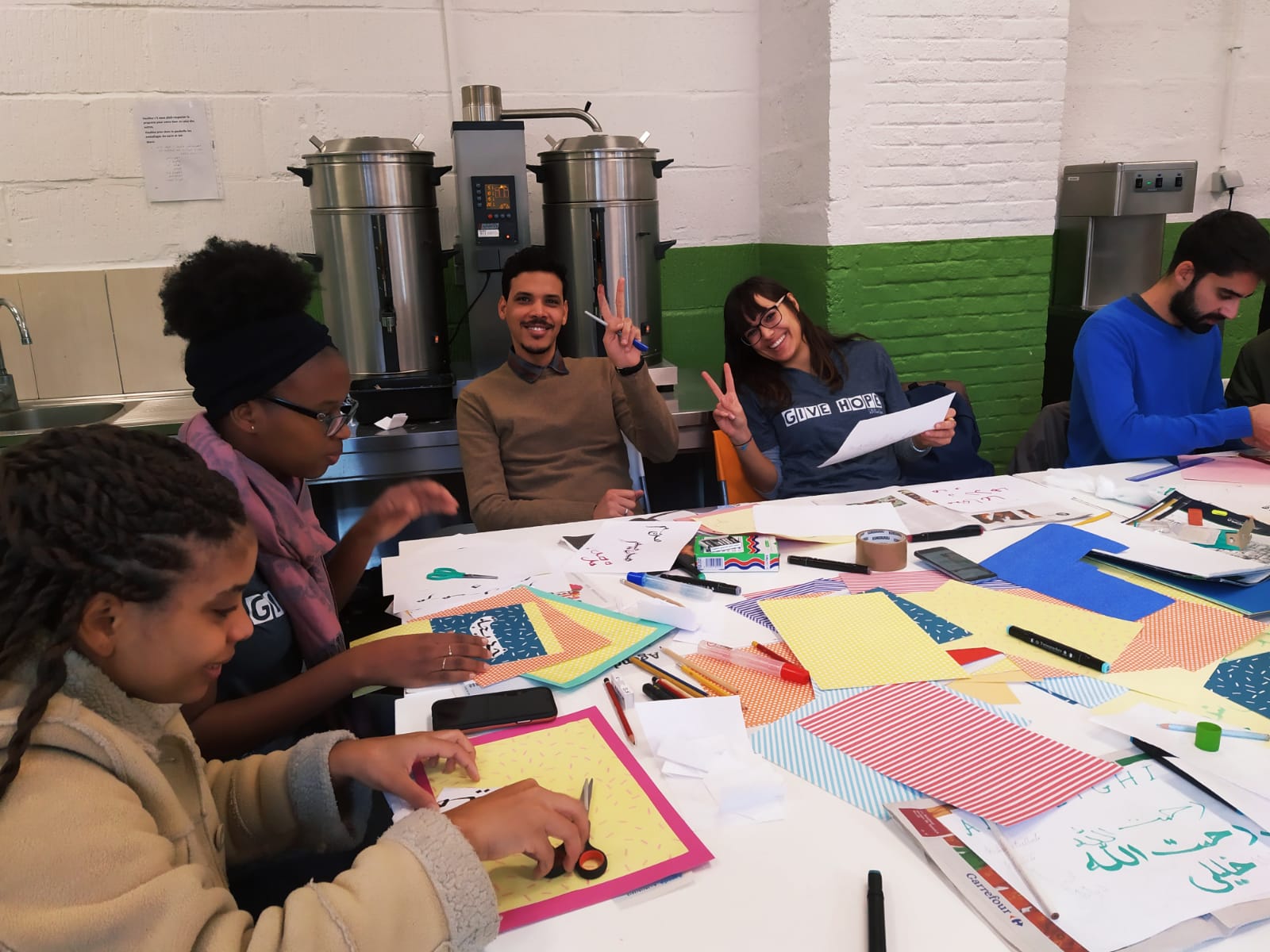
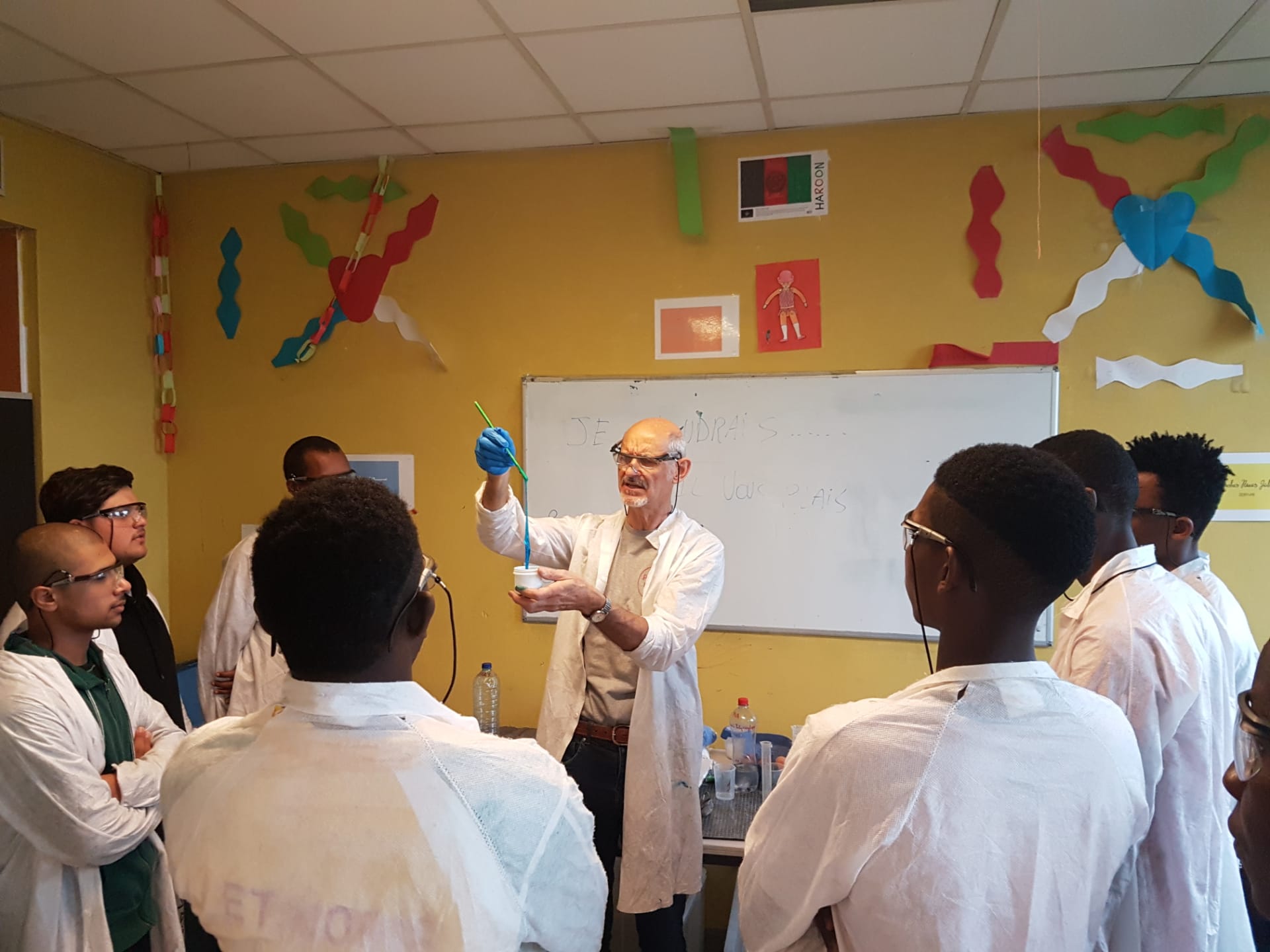
Partner network — built from scratch: When I arrived, there was no structured network of organisations to support programme activities. I identified the gap, reached out to potential collaborators independently and built a contact database of organisations willing to participate — from the Music Museum to CoderDojo to recycling chemistry workshops. Most of these partnerships were negotiated at no cost or significantly reduced budget. This was entirely my initiative.
Activity coordination: Visited Red Cross and Fedasil centres regularly to meet with coordinators and understand the reality of participants’ lives — their schedules, personal circumstances and energy levels. I noticed early on that existing activities weren’t being designed with participants in mind, so I made sure our programming respected their time and context.
Volunteer coordination: Managed the volunteers who supported activities across the programme — briefing, logistics and follow-up.
Impact tracking & reporting: Maintained a registration system for attendance and impact per activity, producing a written report after each session.
Network expansion: Attended events like AidEx to expand the organisation’s contact network and establish relationships for future collaborations beyond my programme.
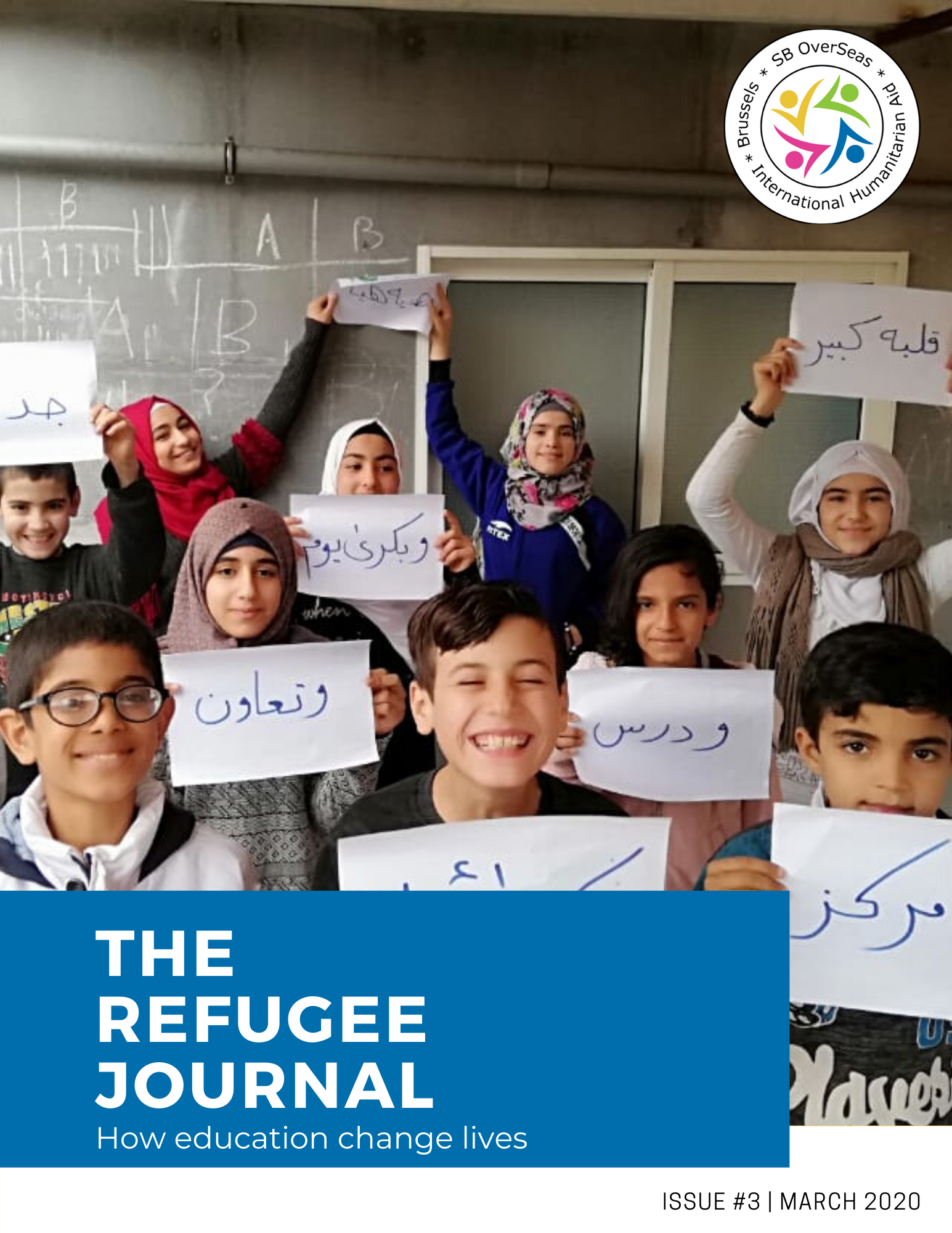
The Refugee Journal: Coordinated and designed the layout of a small publication giving Syrian refugees in Lebanon a space for self-expression. It was hosted on the organisation’s website — more a meaningful exercise in voice and dignity than a wide-reaching publication, but that was exactly the point.
What This Role Demonstrates
This role was defined by building infrastructure that didn’t exist — a partner network, a contact database, an impact tracking system — in a context with limited resources and no blueprint to follow. Every collaboration I secured required identifying the right organisation, making the case for their involvement and managing the relationship.
The honest reflection on this experience is that I was looking for ways to make the programme sustainable and autonomous — but the organisational conditions weren’t there to support that ambition. Recognising that gap, and continuing to do good work within it anyway, is something I’ve carried forward.
Impact
- Partner network built from scratch: museums, coding initiatives, educational organisations
- Contact database created and maintained for all programme activities
- Activities designed around participants’ real circumstances and availability: +50 activities
- Attendance and impact tracked and reported for every activity
- Volunteer team coordinated across the full programme: +15 volunteers
- Organisation’s external network expanded through events and direct outreach: +30 contacts